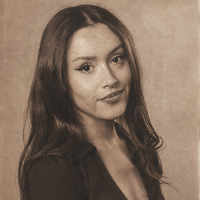
Kaitlyn Pereira- BA (Hons) Photography
Salis Subterra
I am a photographer whose practice is guided by a considered, process-led approach shaped by the material and historic qualities of place. Working primarily within landscape and documentary photography, my work is grounded in slow observation, methodical production, and an interest in how photographic processes can become intrinsically connected to the subjects they represent.
My long-term project, Salis Subterra, explores the salt heritage of Cheshire and the environments shaped by extraction. Through themes of materiality, collaboration with subject, shared agency, and process-driven image-making, I examine how landscape, industry, geology, and ecology intersect to shape both place and representation.
The project traces a journey through three interconnected sites: the underground chambers of the Winsford Rock Salt Mine, the UK’s largest working salt mine; the overground storage facilities where extracted salt accumulates; and the Sandbach Flashes, wetlands formed through subsidence caused by historic wild brine pumping. Together, these locations reveal layered industrial, geological, and ecological narratives that continue to shape the region today.
Materiality sits at the core of my practice. All images within Salis Subterra are produced as salt prints made using salt sourced directly from the mine itself, allowing the subject to materially participate in its own representation. This establishes a form of shared authorship between landscape, material, and maker, emphasising my interest in collaboration and agency within photographic practice.
Presented across the Art School Commission and Degree Show, Salis Subterra comprises a series of salt prints, a large-scale fabric installation, and a handmade publication featuring salt print reproductions and a hand-coated salt spine made using mine salt. Together, these works extend beyond documentation, creating a direct physical connection between image, object, process, and place.
Through my practice, I aim to create work that is materially and conceptually rooted in the landscapes it documents. Moving forward, I hope to continue developing process-led photographic projects that explore materiality, landscape, and environmental histories through alternative photographic processes and bookmaking practices.